This article contains spoilers for the entirety of “Stanger Things.”
“Stranger Things” has always been advertised as a show for outcasts. During the 2017 SAG awards, just a year after the first season aired, David Harbour, the actor for Jim Hopper, gave an acceptance speech on behalf of the cast and crew. Harbour’s speech was empowering; he set the precedent that it was the responsibility of the “Stranger Things” cast and their characters to “shelter freaks and outcasts” as well as “repel bullies.” In 2022 when season 4 of “Stranger Things” came out and was advertised on the streaming platform as “for outcasts” because the show’s about embracing the things that make us different. In 2025 the narrative of “Stranger Things” being a show for people who don’t fit in vanished along with all of the representation, authenticity, and heart of the show.
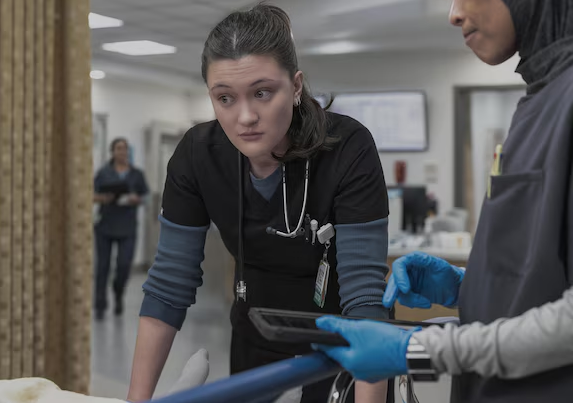
One of the main characters, Will Byers, is an abused and bullied queer kid in the 80s. He struggles with his identity throughout the show, feeling different from the kids that bully him at school, but also different from his friends. He struggles with feeling isolated, something that resonated with many fans, especially queer ones. We see Will hide his romantic feelings for his best friend, and deeply yearn for any type of romantic connection. It’s never given to him. In season five Will’s sexuality is finally made canon, but the backlash to his coming out scene by many fans was awful.
This scene is supposed to be a depiction of such a personal, and oftentimes pivotal moment in a queer person’s life, and the writers of the show, Matt and Ross Duffer, absolutely botched it. They had Will come out to an entire room of people, including his old science teacher, when Will has always been a more reserved person. The scene is a disservice to queer people watching. It lacks thoughtfulness and care. Will’s coming out scene would’ve been much better if it was a personal moment between Will and his family, so there would’ve been some level of authenticity and meaningful representation. This episode is the worst rated of the whole series. People made memes of it. It was mocked by SNL. Young queer audiences, some who may even still be in the closet, have now seen a beloved character come out and get bullied for it, maybe not in the show, but in real life, which is arguably worse. Regardless of personal opinion of the scene, it’s clear that the way some fans are treating the scene will leave young queer audiences worse off.
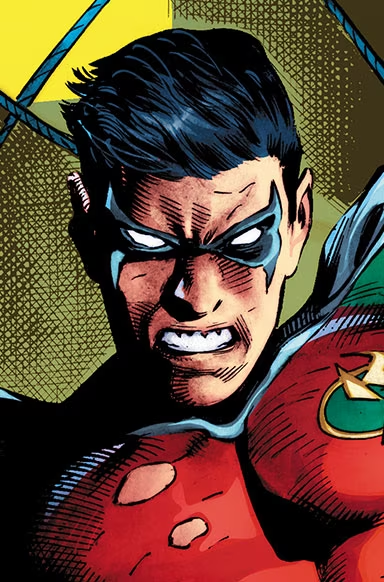
Robin Buckley was the first confirmed queer character in this show, and has always presented on the more masculine side of fashion. Her friends crack jokes about her aversion to more overtly feminine clothing, she’s had a short haircut since her first appearance, and the one instance where she had to wear feminine clothes she complained about how uncomfortable she was the entire time. Yet in the finale she’s got her hair grown out, cross earrings, and an outfit that’s so feminine it feels out of character. Throughout the show the writers and the costume department make it very clear that Robin’s style is not feminine, so putting her in anything other than her normal outfits feels off. But it contributes to the long standing hollywood tradition of burying your gays, where queer characters are either killed off after their sexuality is made canon, pushed out of the narrative, or just generally made to suffer. Robin was hit with the latter. She survived the final fight, but she didn’t end up with her love interest.
In fact, the only queer relationship in this show, between Robin and Vickie, happens mostly off screen and ends with the couple broken up. Compared to the show’s other relationships, all straight, the treatment of Robin and Vickie is incredibly unfair. In the epilogue Robin says that they broke up because Vickie was overbearing, but it feels like a lame excuse from the writers. Throughout the rest of the show, in the rare instances we get to see them, Robin and Vickie seem like a happy couple. The two had a promised date at their local restaurant, Enzo’s just like straight pair Joyce and Hopper. Why make this cute parallel between the couples if only one of them would end up together? Lucas and Max get a happy ending, Jonathan and Nancy don’t end up together, but they end amicably unlike Robin and Vickie,and even Steve makes a comment about finally finding the one. The two canon queer characters both end up with no love interest, despite spending multiple seasons pining.
As much as the Duffers seem not to care about their queer female protagonists, they seem equally or more indifferent to their female protagonist of color. As much as I loved Holly Wheeler, I felt as though Erica and Lucas Sinclair were robbed of their own beautiful siblings’ storyline. Instead of having Erica, who is black, be the younger sibling in peril, they chose Holly, who is white. Holly had to be aged up by four years for the storyline to make sense, when Erica was an already established character and the right age. If they used Erica they could’ve given both Sinclair siblings more character growth, shown the relationship between Max and her boyfriend’s younger sister, and given a spotlight to characters who haven’t gotten as much time as others. In short, The Duffers disregarded a very popular character in trade for a newer character for seemingly no reason other than race.
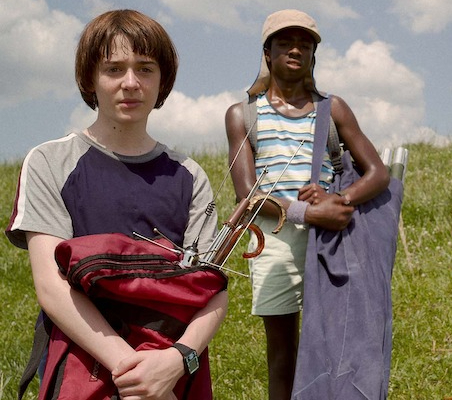
The treatment of minorities in the show is poor, even in regards to leading characters. In season four the show flirts with the idea of exploring racial discrimination, and what it means for characters like Lucas Sinclair, but then never goes anywhere with the idea. Lucas is a nerdy, black boy in the 80’s, but his identity isn’t addressed until season four. They present a story where Lucas joins the basketball team instead of playing Dungeons and Dragons, because it’s the more socially acceptable option for him. Instead of framing the story as Lucas joining the basketball team because he’s less likely to be the victim of a hate crime there, they make him look like a coward. The reason Lucas gives is that he’s tired of being bullied, but that reasoning makes him look like he’s not willing to stick by his friends. Underneath the fear of being bullied, would be the fear of being racially discriminated against, and even facing violence. Sadly, the Duffers never dig deeper into the racial discrimination implications they were drawing when they specifically chose the basketball team for Lucas to join. They went with the stereotype of black people being good at basketball over the non stereotypical option of a black kid who likes nerdy games like DnD.
Not explicitly condemning the ignorance Lucas’s friends show towards him makes Lucas look like a bad friend. The message tends to miss the people who can’t relate to Lucas’s feelings. Lucas’ racial identity is never explored, and his character in general doesn’t get much development outside of his relationship to his white girlfriend; his character is largely centered around a white person. Lucas isn’t given a powerful character arc like Will, his relationship to his family is never explored like Mike’s is, and he doesn’t get a little arc of self confidence, and friendship the way Dustin does. Lucas gets a storyline where he saves his girlfriend, it has nothing to do with who he is. The Duffers build on the idea that Lucas is extremely caring and loyal, but that’s information we’ve had since season one, and his character doesn’t grow the way others do.
Will Byers, Robin Buckley, Lucas Sinclair, and Erica Sinclair represent the audience who are outcast for reasons that hurt to hide. The ones the show supposedly was designed to champion. Being a person of color, or queer makes you different from your peers, even more so in the 80s. Fans connected with these characters, and saw themselves within them. But because the show ended without the queer characters getting the love they deserve, and without the characters of color receiving the same level of character growth as their white counterparts, “Stranger Things” failed to reach the very audience they claimed to make a safe space for.
Brain Dump, and the associated podcast of the same name, examines pop culture across genres.